
Canberra : A year and a half ago in the second test match of the Ashes series at Lord’s, Smith was hit on the helmet by a bumper from Jofra and it was the first time ever that a player was replaced by another player into the XI in any form of international cricket which was according to the new ‘concussion substitute’ rule by the ICC. The rule says that if a player gets hit on the head and cannot take part in the ongoing match at all, he/she can be replaced in the XI by another player. But, the replacement needs to be like-for-like. For example, a batsman can only replace another batsman or an all-rounder who will be allowed to bat but he will be restricted to bowl as he is a replacement of a batsman. Marnus Labuschagne debuted as a concussion substitute in that match, saved the test for Australia who retained the Ashes later on and ofcourse, he turned out to be a great find for them.
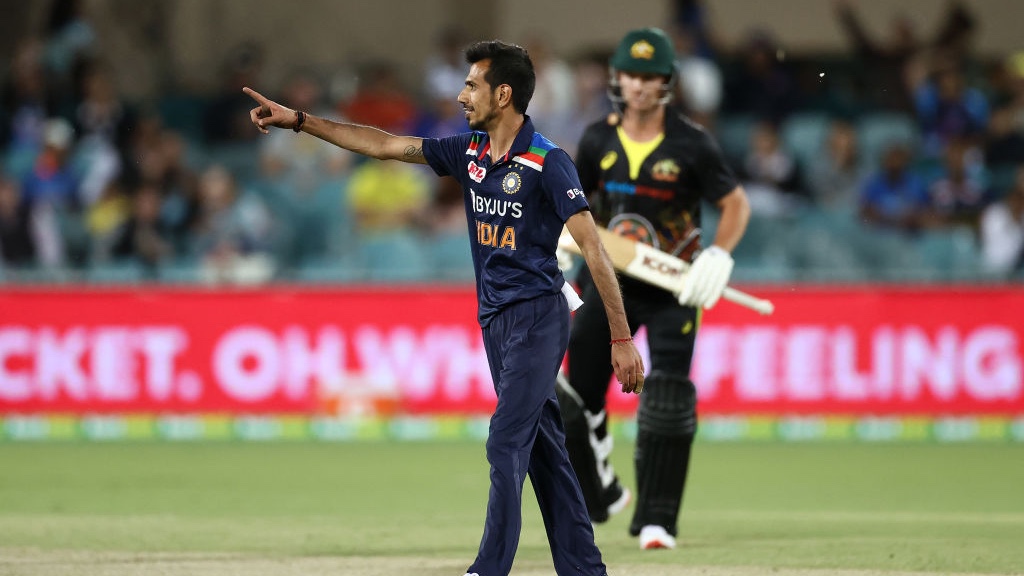
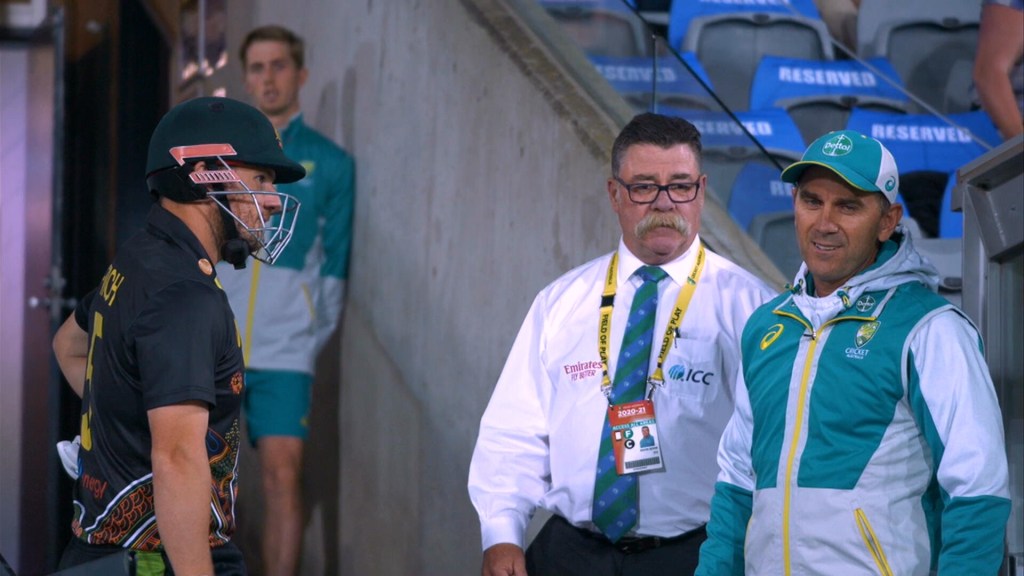
A similar situation occured in the T20 yesterday when Jadeja was hit on the helmet by Starc. He did bat for a few overs after being hit but he was replaced by Chahal in the second innings as he could not take the field. Chahal bowled a match-winning spell in the second innings. The conflict here was that Jadeja felt a slight discomfort in his left hamstring before he was hit on the head and the problem for him was his hamstring and not so much the bouncer that he copped as he continued to bat after the incident. Australia coach Justin Langer was seen arguing with David Boon, the match referee but the BCCI medical team declared his state as a concussion injury.
Both Virat and Sanju Samson said in their post-match interviews that Jadeja was feeling dizzy when he came back to the dressing room and the captain further iterated that if the rule has worked for them today it might not work for them the next time around. Most importantly the rule was implemented to look after the safety of the player as we have had incidents in the past where players who were hit by the ball in that area had to face serious damages to their body.
Talking about the rest of the game, Finch won the toss and elected to field first with a side without Stoinis, Warner,Cummins and Richardson. India handed Natarajan a debut after his impressive perfomance in the third ODI and went with Samson and Manish in the middle-order.
Dhawan fell cheaply when he was bowled by a late outswinger from Starc and just after that wicket Virat was dismissed by Swepson who picked up his first international wicket. After the second wicket India looked set to put up a high score when Rahul and Samson were batting. At 76-2 in 11 overs, India had set their eyes on a target of 180 plus. Soon Samson fell to Henriques and then Manish Pandey was dismissed as well, to Zampa for just 2 runs after facing 8 deliveries.
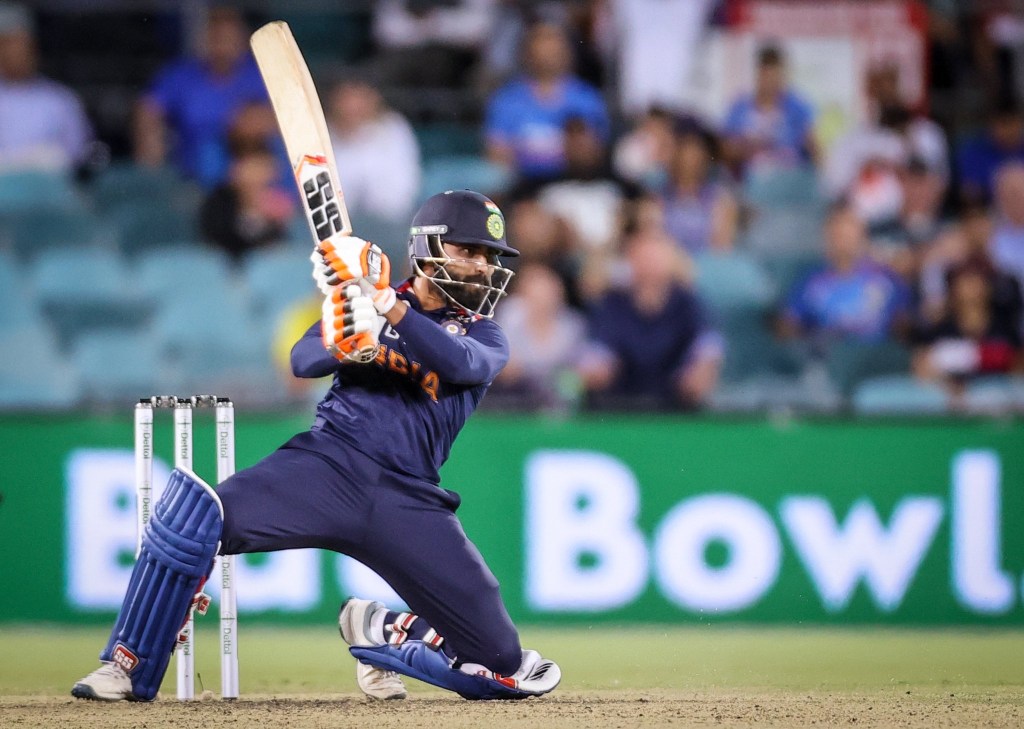
The pressure then reflected on Rahul because he did not get a lot of strike in the last few overs and because of the balls that were already wasted he wanted to increase the scoring rate. He mistimed his shot to the long-on fielder and departed for 50 off 41. Hardik and Jadeja were yet again at the crease in a troublesome situation for India. Hardik hit one straight over long-on for six but got out in a similar way while he was going for the maximum in the same over. Jadeja was the only recognized batsman who had to take charge in the death. He was hurt because of a hamstring injury which occured and that affected his running. But the setback enabled him to use his power to maximum effect as he stayed back in the crease on most occassions and played shots on the backfoot where he found the gaps in the field and also launched a few rockets in the stands.Again, his knock of 44 (23) saved the blushes for India and helped them to put on a fighting total of 161-7.
Trivia : India has maintained the best run-rate during overs 16-20 ( 11.69) in the last 12 months while batting in T20’s.
Australia came out to bat with Short and Finch opening the innings and the way they played in the beginning when they were cruising at 56-0, it looked like they’d run away with the game and to add to that, both of them were dropped once each. Once again, the signs were ominous for India untill Chahal began his spell. Finch and Smith felt it would be easy to play Chahal like it was in the ODI’s and by playing a few big shots they could put him under the pump and the situation would work in their favour. But that was not to happen again as they went for the sixes but their shots could only reach the fielders. A brilliant diving catch by Samson dismissed an in-form Smith. Australia now had only half of their strength to play with after the dismissals of these key players. The danger man Maxwell who threatened to take the match away from India in the final ODI, was sent back by Natarajan after India challenged the umpire to overturn his decision. Now it was just a matter of time untill the 20 overs were played. Natarajan bowled an entire over of yorkers and he was rewarded with three wickets at the end of his spell. Chahal was the man-of-the-match for his 3 wickets which were also the important ones. India should be happy to say that they did not need Bumrah in the end but there is still a lot to improve on, when you look at their approach while batting in this format.
Trivia : India have won 9 out of their last 10 T20s with one having no result. They have also won 13 out of their last 15 series in T20 internationals.
India are leading 1-0 in the three-match series and the next T20 will be played on the sixth of December at Sydney. Thank you for reading this, stay tuned for the next article.
 Kanishk Sharma